CULTURE & HERITAGE

Wings of Redemption: How India’s Fiercest Tribe Swapped Their Bows for the Birds They Hunted

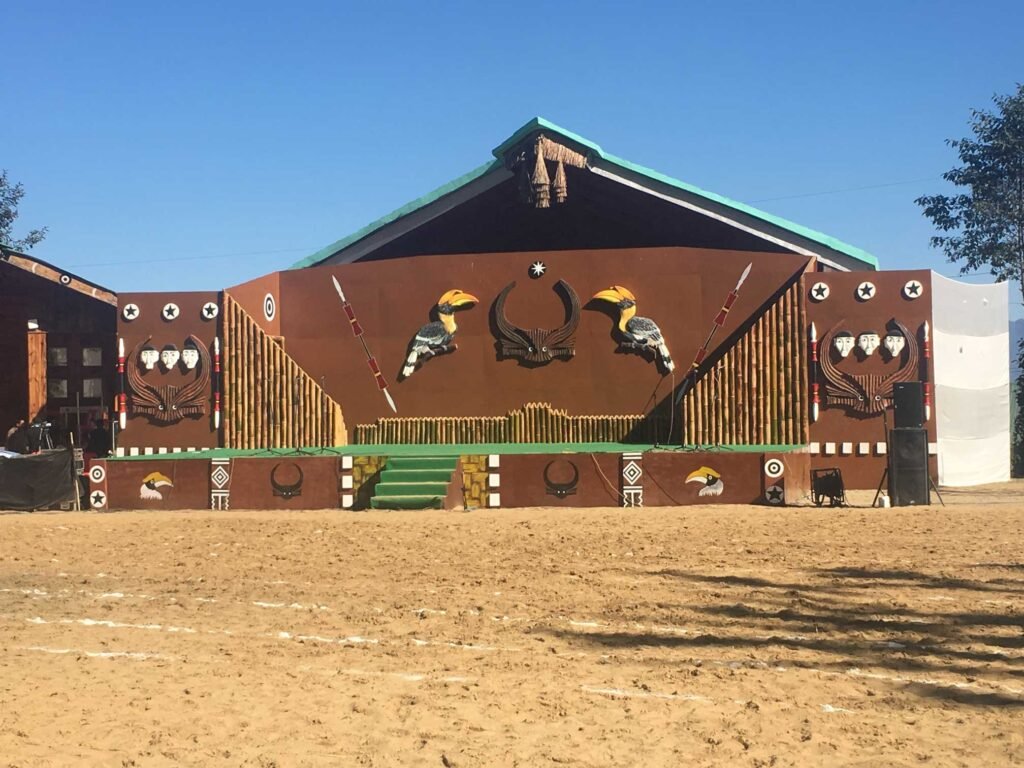
Nyishi tribe hornbill conservation
Photo from: dialogue.earth

The deep canopy of the Pakke Wildlife Sanctuary in Arunachal Pradesh was once a silent theater for the hunt. For generations, the men of the Nyishi tribe moved through these dense northeastern forests with a warrior’s deadly precision.

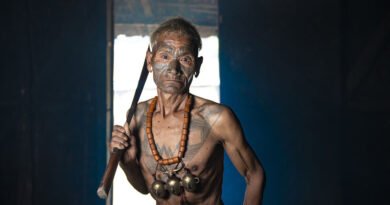
Their ultimate prize was the Great Indian Hornbill. To a Nyishi man, the majestic, bright yellow-and-amber beak of the hornbill was far more than an ornament. It was a physical symbol of his manhood, a proud crown worn on his traditional hat to signal his status within the clan.

Photo from: sanctuarynaturefoundation.org

For centuries, it seemed that for the Nyishi culture to live, the bird had to die. But by the early 2000s, as the forests began to thin, the heavy, rhythmic whooshing of hornbill wings grew dangerously quiet.

Realizing that if the bird vanished, the very soul of their forest identity would die with it, the tribe made a historic choice. They launched one of the most beautiful cultural turnarounds in modern India, bridging their warrior past with a conservationist future by becoming the official “Hornbill Guardians.”

This dramatic shift is not just a story of laying down weapons. It is about taking the hunter’s incredible instinct and using it to protect the birds instead.

The exact same men who once held the intimate, secret knowledge of where the hornbills nested and how they flew have now become their most dedicated bodyguards.

Today, the path between these two eras is built on a fascinating mix of ancient forest skills and high-tech gadgets. A former hunter might still walk the same steep, muddy trails he did as a young boy, but instead of carrying a bow and arrow, he holds a GPS device and a smartphone.

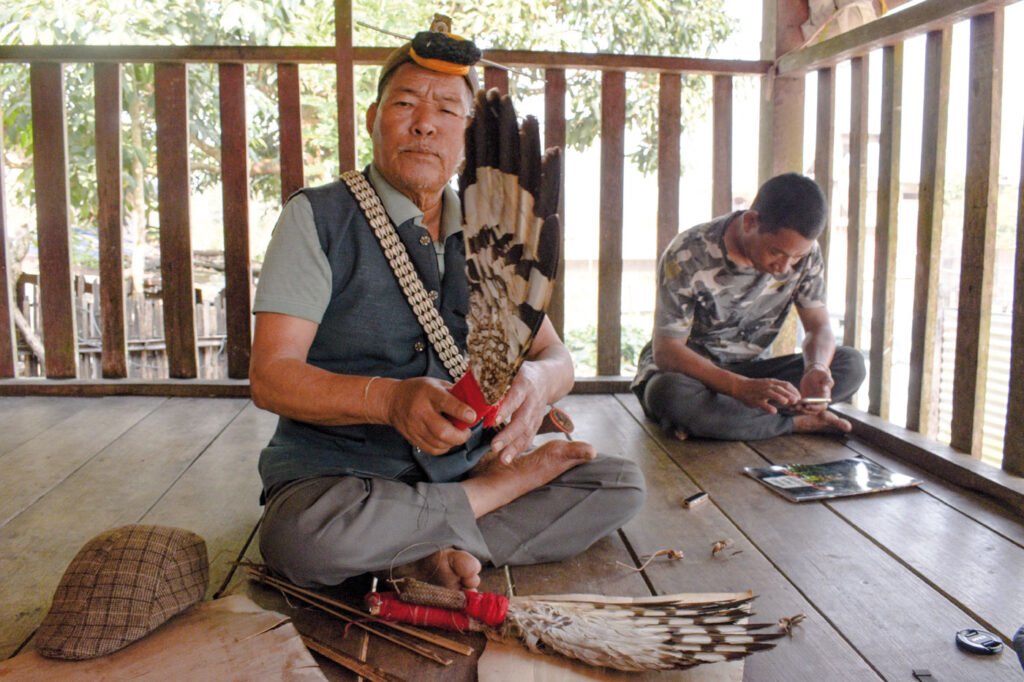
Photo from: thelostcoordinates.com

Some guardians even help researchers use drone technology to monitor nests hidden away in the highest, unreachable treetops. They track the health of the birds with the same sharp focus they once used to track their shadows through the brush.

The most powerful symbol of this cultural change can be seen right on the heads of the tribal elders.

In a brilliant move of local creativity, the Nyishi community, working alongside wildlife conservationists, began replacing the real hornbill beaks on their traditional Bopa hats with lightweight, fiberglass replicas.

This simple swap allowed the pride, beauty, and spiritual meaning of the warrior crown to stay completely intact, while ensuring that not a single bird had to die for tradition.

Photo from: thelostcoordinates.com

By proudly wearing these artificial beaks, the tribe found a way to honor their ancestors while protecting the natural world for their children. It was a bold declaration that being a true warrior in the 21st century is no longer about conquering nature, but about defending it.

The massive success of this Nest Adoption Program has turned Northeast India into a global blueprint for community-led wildlife conservation. It highlights a simple truth: for nature protection to actually work, the local people must be the ones leading the charge.

When a Nyishi elder looks through a pair of high-powered binoculars today to check on a nesting mother hornbill, he isn’t just looking at a wild animal. He is looking at the survival of his own story.

He is making sure that the unique sound that defined his grandfather’s world remains the soundtrack for his grandchildren.

In the quiet forests of Arunachal Pradesh, the past and the future have finally met in the magnificent flight of a bird. The Nyishi have proved that true redemption happens when a community chooses to become a shield for the very life that once defined their strength.

Leave a Reply

Your email address will not be published. Required fields are marked *