
How Northeast India’s Filmmakers Took Their Stories from the Soil to the World Stage
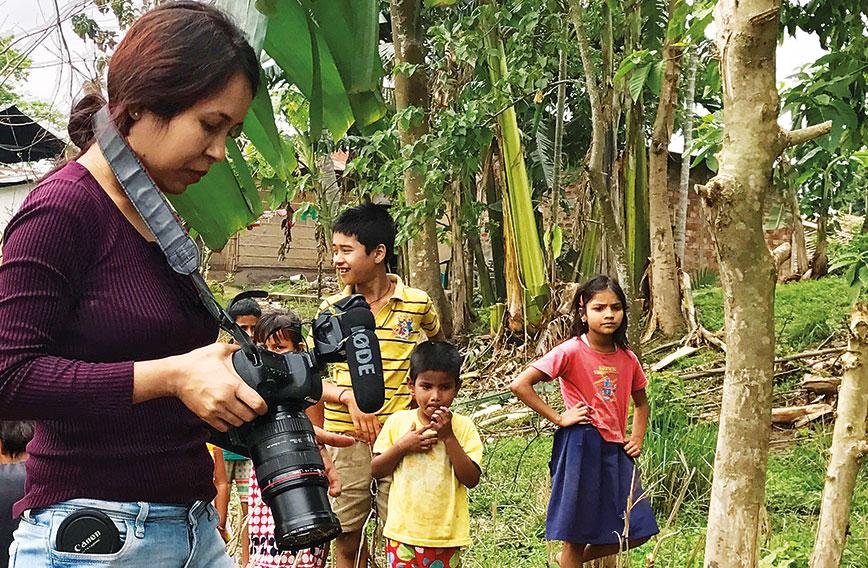
For decades, if you saw Northeast India on a movie screen, it wasn’t a true picture. It was just a shadow cast by outsiders.
Whenever directors from Mumbai or abroad came to the valleys of Manipur or the hills of Meghalaya, they usually treated the region as nothing more than a pretty backdrop for an exotic adventure, or a quick symbol for political trouble. They focused entirely on how “different” the people looked, completely missing the real heartbeat of the villages and the quiet poetry of the streets.
But right now, a powerful shift is happening. Local filmmakers have finally grabbed the cameras to tell their own stories, creating a movement known as the “Cinema of the Soil.”
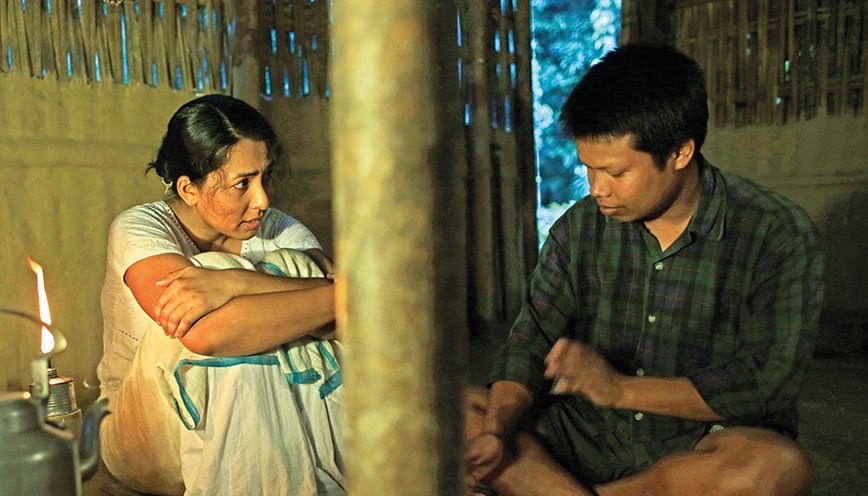
Over the last decade, these homegrown artists have built a bridge between remote village life and the glittering, spotlight-lit stages of international film festivals. They are no longer just faces in someone else’s movie; they are the authors of their own destiny.
The true magic of this new cinema lies in how incredibly honest and specific it is. Filmmakers from across Assam, independent creators in Manipur, and storytellers in Meghalaya are not trying to change their culture to please a massive, generic audience. They are simply capturing their daily truths.
When a local director picks up a camera, you don’t get a glossy, fake set. Instead, you get an immersive dive into the real rhythms of the region. You hear the loud rattle of monsoon rain on a tin roof, feel the quiet bartering of a rural marketplace, and see the deep, complex emotions of characters who used to be ignored.
By focusing on these tiny, hyper-local details, they have actually found a universal language. They have proven that a story about a young village girl dreaming of buying a guitar in Assam, or the quiet dignity of a struggling fisherman on Manipur’s Loktak Lake, can move audiences deeply. These stories are winning hearts in Cannes, Berlin, and Toronto just as much as they do back home.
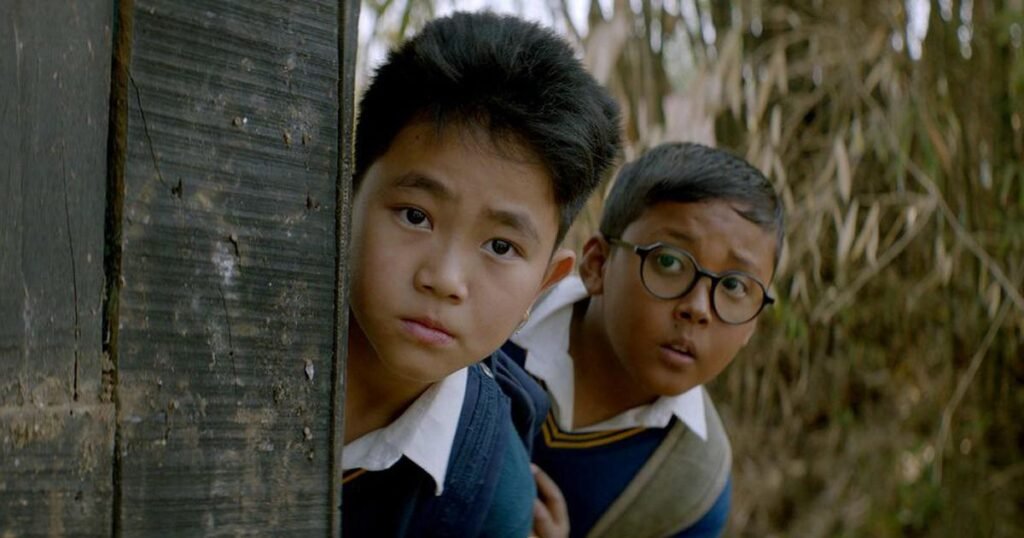
This bridge to the global stage wasn’t built by copying the flashy dances and formulas of mainstream Bollywood. It was built by leaning directly into the raw, unpolished soil of their own backyards.
This cinematic revolution is also a story of cheap technology creating massive change. In the past, the incredibly high cost of heavy movie cameras and movie film acted as a closed gate, keeping regional voices out of the industry.
But the digital revolution has completely broken those gates down. Today, small, passionate crews can shoot world-class movies using nothing more than a basic digital camera and a couple of microphones. They are proving that the honesty of the story matters much more than the size of the budget.
This has changed how local teenagers look at their own futures. Young people in the Northeast no longer see filmmaking as an impossible dream meant only for the rich elite in Mumbai. They see it as a real, powerful tool to express themselves and talk about social issues.
They are taking ancient folklore passed down by their grandparents and editing it using the visual style of the 21st century. They are making sure their heritage isn’t just trapped in a dusty history museum, but is a living, breathing part of global pop culture.
Ultimately, the Cinema of the Soil is about taking back power. It is the beautiful sound of a region finding its own voice after a very long time of being spoken for.
By connecting the isolated village directly to the global theater screen, these filmmakers are doing something far bigger than just winning trophies on a red carpet. They are fixing a historical mistake.
They are showing the rest of the world that Northeast India is not a strange mystery to be solved or a conflict zone to be feared. It is a vibrant, deeply artistic home to some of the most moving human stories of our time.
The bridge is finally complete. The unique soil of the Northeast has become the solid ground upon which the future of global cinema is being built.