
Signal in the Pines: How India’s Tech Nomads Found a Home in the Ancient Hills of Ziro
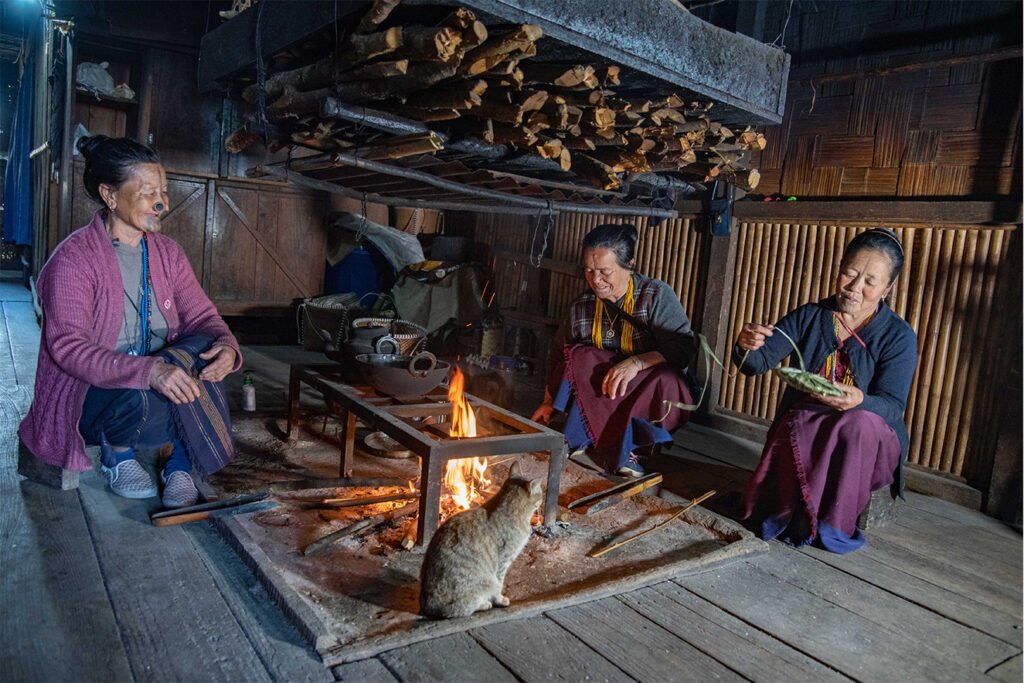
The beautiful Ziro Valley of Arunachal Pradesh has always lived by its own steady, ancient heartbeat. For generations, the local Apatani people have farmed their unique rice and fish fields by hand, keeping time only with the changing seasons and the monsoon clouds that settle between the pine trees.
But over the last ten years, a brand new frequency has entered this remote valley. What started as a short, seasonal burst of music lovers arriving for the famous “Ziro Festival of Music” has turned into a permanent lifestyle shift.
Today, this quiet valley has become the frontline for a fascinating modern experiment: the “Work-from-Hills” movement. Tech workers from the high-pressure hubs of Bangalore and Hyderabad are swapping their glass skyscrapers for local bamboo gazebos.
By logging onto high-speed internet from deep within a tribal landscape, they are building a bridge between a fast-paced digital future and the ancient rhythms of the earth. But this sudden mix of two different worlds brings both big economic opportunities and hidden risks for the local culture.
The shift happened quietly after the pandemic, when professionals realized that “work” was a state of mind rather than a physical office desk. A wave of digital nomads packed their laptops and headed toward Northeast India, drawn by the promise of “slow living.”
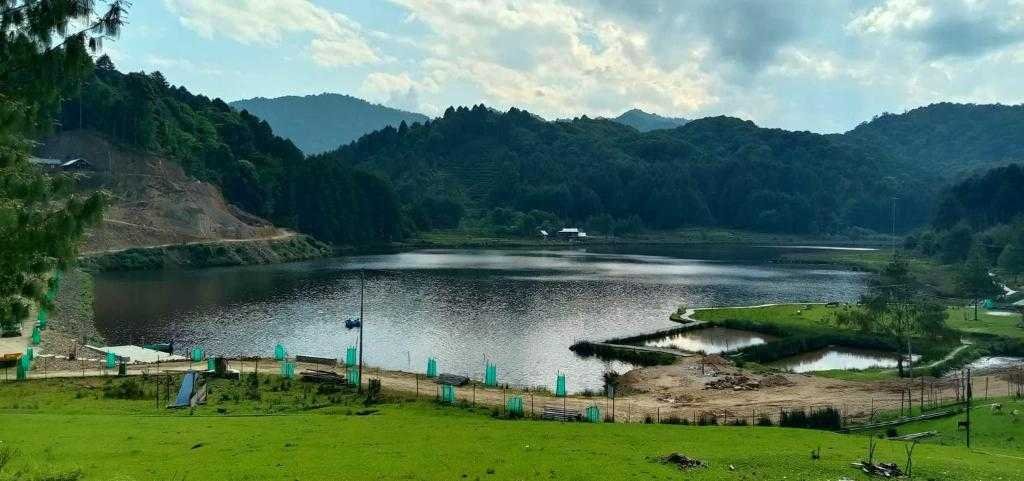
In Ziro, these city workers found a perfect sanctuary. They could easily join a corporate Zoom call over high-speed Wi-Fi while staring out at green fields that have remained unchanged for hundreds of years.
It is the ultimate modern connection: the ability to live in a global, hyper-connected digital economy while sitting in a localized, earth-bound tribal community.
For the local economy, the benefits were instant. Family homestays that used to sit empty for ten months of the year are now busy year-round hubs. Local tribal youths are also finding fresh, exciting jobs as tech fixers, tour guides, and community managers for this new class of traveling workers.
Yet, this bridge between the city and the hills is incredibly fragile. As Ziro transforms into a year-round tech haven, the shadow of gentrification—where city money drives up local costs—looms over the tribal lands.
When city workers arrive with fast-city salaries, the local economy of a small valley can warp overnight. Real estate prices, which were always governed by ancient clan traditions and family ties, are now facing the heavy pressure of commercial business.
There is a tense, delicate balance between the valley’s desire for modern progress and the absolute necessity of protecting the shared land laws that have kept the Apatani ecosystem healthy for centuries.
The biggest risk is that the very “purity” and “slowness” the digital nomads are searching for could be destroyed by the heavy concrete infrastructure needed to host them. If the valley turns into a cheap playground for the urban rich rather than a true partner in work, the local people lose their voice.
Making this new lifestyle work requires a fresh kind of social contract. It demands that digital nomads stop acting like simple tourists consuming the pretty scenery, and instead become true stakeholders who care about the neighborhood.

This means respecting the sacred Apatani festivals, like Dree and Myoko, as the holy calendar by which the valley breathes, rather than just a photo opportunity for social media. It means making sure that high-speed fiber-optic cables don’t just power trendy co-working spaces, but also connect the local tribal schools and indigenous business owners.
When done right, this movement proves that Northeast India can successfully lead the future of work culture. It offers a smart model showing that high-tech productivity does not have to ruin the natural environment.
The story of Ziro is no longer just about a weekend music festival. It is about a wise valley teaching the modern world that the most advanced way to live is to find the exact spot where the digital signal and the mountain wind finally meet in perfect harmony.