Long before high-speed internet reached the misty altitudes of Shillong, Aizawl, or Kohima, the air was already vibrating with a distortion that felt strangely familiar yet entirely local. While the rest of India was largely immersed in the cinematic melodies of Bollywood, the youth of the Northeast were forging a different identity through the gritty, unpolished lens of Western rock and grunge.
This musical evolution was not merely an act of imitation; it was a survival mechanism. During decades of political isolation and geographical disconnect, music became the bridge that linked the internal struggles of the hills with a global language of rebellion and resilience.
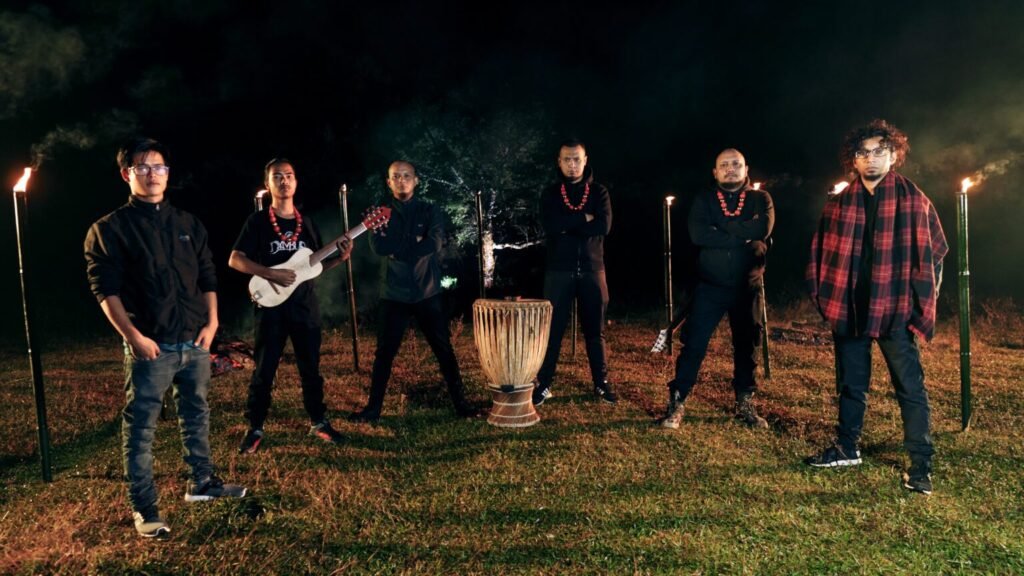
Photo from: musicmalt.com
To understand “Grunge in the Hills” is to trace a journey from the era of the hand-me-down cassette to the borderless world of digital streaming, proving that while the medium has changed, the spirit of the sound remains an unbreakable tether to the region’s soul.
The roots of this sonic obsession lie in the “Radio and Cassette” era, a time when physical distance was bridged by the crackle of shortwave frequencies. For a young person in the 1980s or 90s in the Northeast, a stray radio signal from the BBC or a pirated cassette tape smuggled across the border was more than entertainment—it was a window into a world that seemed to understand their own restlessness.
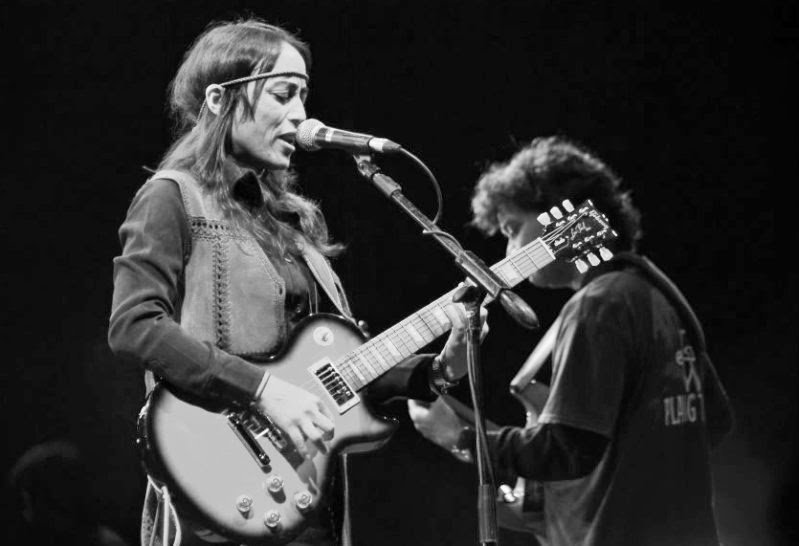
Photo from: allthatsinteresting.com
When the grunge movement exploded out of Seattle, it found a second home in the North East because the themes of angst, social alienation, and raw honesty mirrored the lived reality of a region grappling with its own identity within the Indian union.
The flannel shirts and combat boots weren’t just fashion statements; they were the uniforms of a generation that felt “othered” and found their voice in the heavy, melancholic riffs of Nirvana, Soundgarden, and Pearl Jam. Local bands didn’t just cover these songs; they infused them with the local air, creating a hybrid culture where the electric guitar became as traditional as the bamboo flute.
This era was defined by a scarcity that bred deep appreciation. A single cassette would be copied dozens of times, its magnetic tape wearing thin as it passed through countless hands, each listener adding their own memories to the hiss and hum of the recording. This physical sharing created a tight-knit community of “bridge-builders” who used music to navigate the complexities of their daily lives.
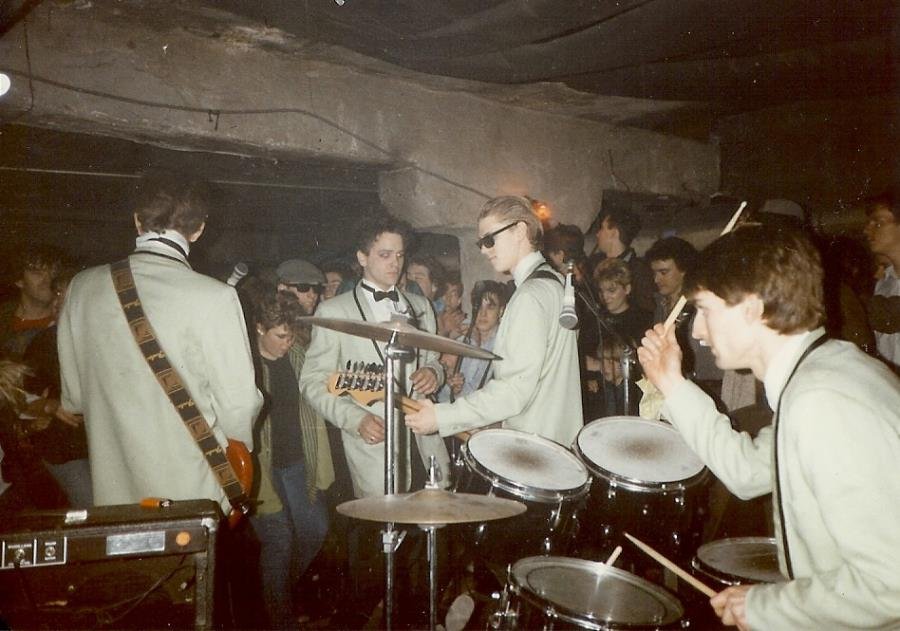
Photo from: theindianmusicdiaries.com
Today, as the region moves into the era of streaming, that scarcity has vanished, but the intensity has remained. The bridge between the analog past and the digital present is built on the fact that the Northeast has moved from being a consumer of global rock to a sophisticated producer of it. Modern artists from the region are no longer just “the local version” of Western stars; they are independent powerhouses using Spotify and YouTube to reach global audiences, often singing in their native dialects over the same heavy distortion that once came from their parents’ old radios.
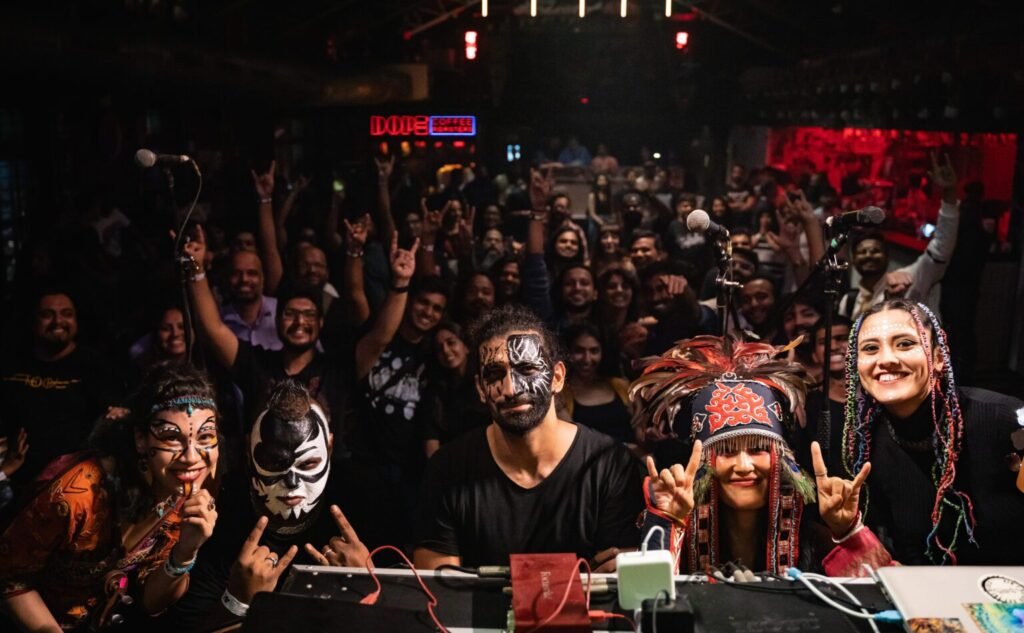
Photo from: shikhar.com
The evolution of grunge in the hills also highlights a profound shift in self-expression. In the earlier days, the music was a shield—a way to retreat into a subculture that felt safe from the pressures of the outside world. Now, in the streaming age, it has become a spear—a way to project the North East’s stories outward.
The grit and the “noise” remain, but they are now layered with the sophisticated production and cultural confidence of a generation that knows its worth. By bridging the gap between the isolated kid with a battered acoustic guitar and the professional musician with a global digital footprint, we see a region that has successfully modernized without losing its edge.
Grunge in the hills is the ultimate proof that connectivity isn’t just about roads and fiber-optic cables; it’s about the persistent, distorted hum of a people who have always known how to make themselves heard, even when the world wasn’t yet listening.