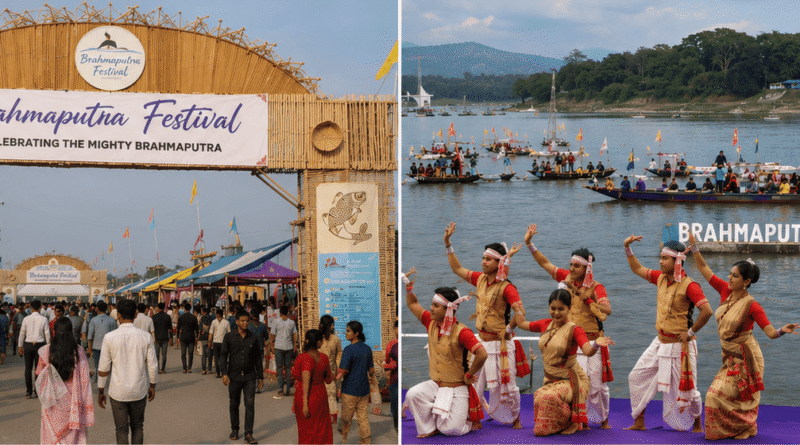
The Brahmaputra Literature Festival 2026
The pavilions of the Brahmaputra Literature Festival have historically served as a profound barometer for the socio-political anxieties of Northeast India. For decades, the creative output of the region was inevitably filtered through the heavy, inescapable lens of conflict, territorial disputes, and political violence.
This gave rise to a powerful body of "insurgency literature"—prose and poetry deeply marked by trauma, state surveillance, and the constant presence of armed friction. However, the atmosphere at the recent literary gathering signaled a historic departure in the collective psyche of regional intellectuals. Under the unifying theme of "Our Hills, Our Histories," the festival spotlighted a distinct generational transition, revealing how a new wave of young writers is consciously steering the literary narrative away from the scars of the past toward an era of "hope literature."
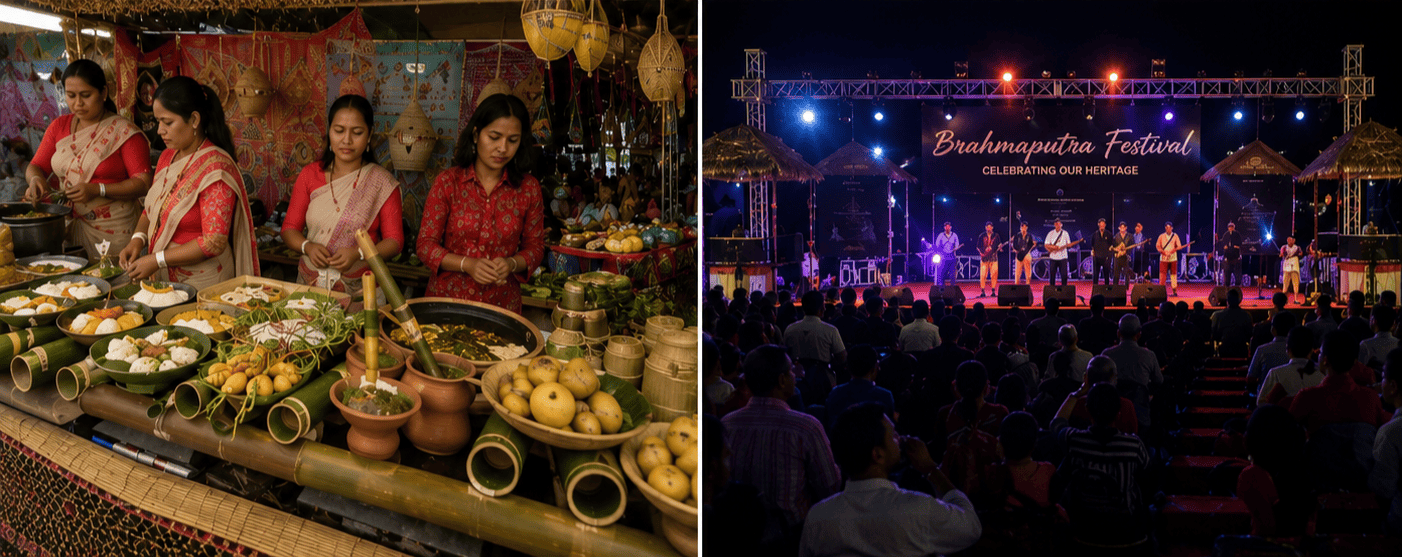
This emergence of hope literature is not a naive erasure of history, but rather an intentional reclamation of authorship over the region's future. Where an older generation of writers was burdened with documenting the immediate, visceral trauma of political unrest, contemporary Gen-Z and millennial authors are exploring themes of ecological resilience, queer identity, mental health, and global indigenous solidarity.
In the packed panel discussions along the riverfront, young novelists and poets argued that continuously defining the Northeast solely by its historic militancy reduces a rich, diverse culture to a singular stereotype. By shifting their focus toward healing and systemic progress, these new voices are choosing to articulate what the region can become, rather than remaining perpetually anchored to what it has suffered.This profound shift in literary focus holds up a mirror to a much larger societal transition across the Brahmaputra valley and the surrounding hills. The decline of active armed movements over the last decade has opened up a vital intellectual breathing space, allowing young thinkers to engage with the world on their own terms.
Publishers and independent presses at the festival noted a surging demand for stories that celebrate hyper-local joy, oral histories, and progressive social movements. This linguistic rebellion against the old tropes of violence demonstrates that the region’s youth are no longer willing to let external or historical conflicts dictate their creative boundaries.The evolution celebrated at the festival encapsulates the ultimate transition from a protectionist, defensive posture to an expansive, confident intellectual future. It marks the definitive boundary line where a society consciously chooses to lay down the generational burdens of conflict.
By transforming the collective vocabulary of the Northeast from one of survival to one of aspiration, these young writers are showing that true liberation is achieved through creation. They stand as the architects of a profound cultural milestone, proving that the most enduring way to protect and honor the history of the hills is to write a future defined entirely by peace, agency, and hope.