The Palm and the Shield
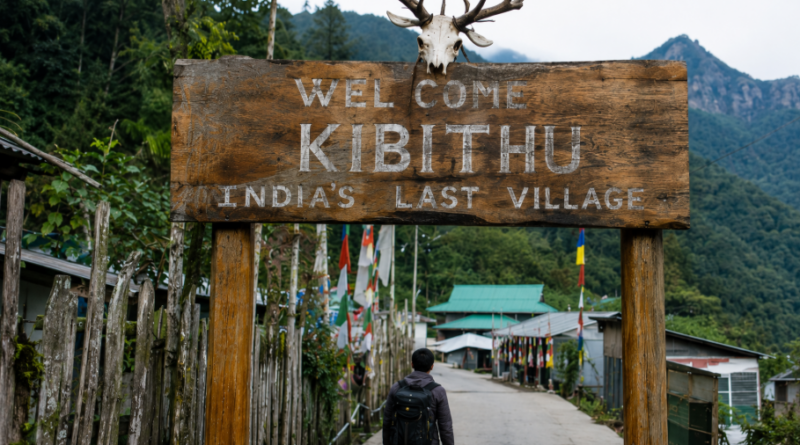
Nestled deep within the rugged fold of the Anjaw district in Arunachal Pradesh, the twin border hamlets of Kaho and Kibithu have historically been viewed through a heavy prism of geopolitical vulnerability. Perched directly on the Line of Actual Control (LAC), these villages sit on the very territory that external cartographic claims often term the “five fingers,” a strategic conceptualization that treats the Himalayan frontier as a mere buffer zone to be claimed or negotiated.
For decades, the local Meyor and Mishmi inhabitants lived in the long shadow of the 1962 war, carrying an intergenerational trauma of displacement, infrastructural neglect and the uneasy status of being India’s “last” citizens. However, a major structural milestone under the Vibrant Villages Programme has radically flipped this script, transforming these remote outposts into a confident “national gateway” powered by high-speed internet and grassroots homestay tourism.
Moving the narrative away from map-based military standoffs to a human-centric story of resilience reveals how digital connectivity can completely rewrite the psychology of a border. Until recently, communication in Kibithu was a luxury, reinforcing a sense of isolation from the Indian heartland. Today, the introduction of high-speed fiber-optic connectivity and reliable telecom towers has bridged that gap.
For the local youth, the internet is not just a tool for entertainment; it is an economic shield. It has allowed local families to list their traditional wooden and bamboo homes on national e-commerce and tourism platforms, inviting travelers to witness the very first sunrise in India. By utilizing digital marketing to showcase their pristine landscapes and unique tribal heritage, the residents are actively converting a highly securitized border zone into a thriving destination for sustainable, off-beat adventure travel.
This economic boom through homestay tourism is fundamentally altering the demographic reality of the region, providing a powerful alternative to migration. Historically, the lack of livelihood opportunities forced young people to abandon their ancestral villages for urban centers in the mainland, leaving behind depopulated “ghost villages” that posed a genuine national security risk.
The arrival of domestic tourists eager to experience authentic Himalayan hospitality has turned local households into profitable micro-enterprises. Elders are finding a global audience for their oral histories and detailed textiles, while the younger generation is finding a sustainable future right at home. This community-driven transformation proves that the ultimate defense of a frontier does not lie solely in physical barricades or troop deployments, but in the economic well-being and permanence of its indigenous populations.This profound evolution beautifully bridges the protectionist, trauma-filled memories of 1962 with the highly interconnected reality of 2026. The “fingers” of the frontier are no longer isolated appendages feeling vulnerable to external pressure; through infrastructure and technology, they are reaching back and firmly gripping the economic pulse of the Indian heartland.
By refusing to let their homes be reduced to a passive geopolitical buffer, the people of Kaho and Kibithu are demonstrating a fierce, quiet patriotism. They stand as a resilient testament to the fact that when a border village is empowered with modern tools, it ceases to be where a country defensively ends—it becomes the precise, vibrant point where a confident nation proudly begins.