The “Act East” Café Culture
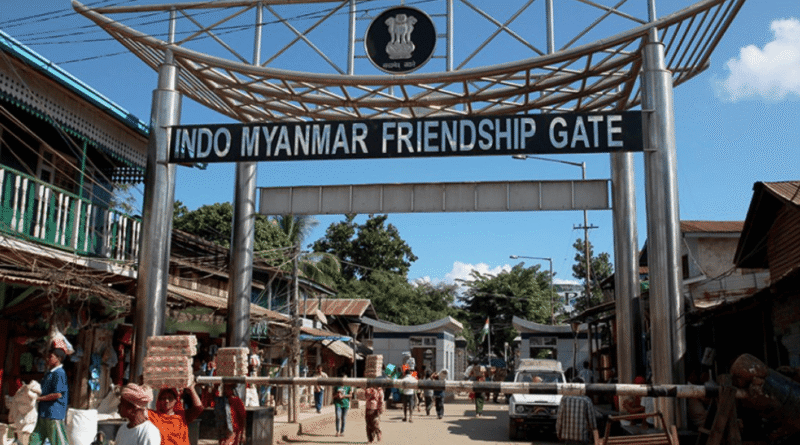
The dusty, highly militarized border checkpoints of Moreh, a strategic frontier town in Manipur, have long symbolized the rigid geopolitical anxieties of nation-states. Historically viewed through the lens of strict security protocols, cross-border smuggling regulations and diplomatic friction, this gateway to Southeast Asia was defined by the cold, protectionist mindsets of twentieth-century international relations.However, stepping away from the main highway and into the neon-lit, sub-woofer-rigged interiors of Moreh’s emerging café scene, reveals a completely different reality. Despite the ongoing political turmoil and strict border closures on official maps, a new breed of "cross-border cafés" has surfaced, serving as an informal, vibrant sanctuary where youth from both Myanmar and India regularly converge to share music, streetwear, fashion and subcultural identities.This grassroots emergence of a transnational café culture holds up a powerful mirror to the ultimate truth of the modern era: youth culture effortlessly ignores geopolitical boundaries. While international diplomats debate the physical management of borders, the younger generation from Tamu in Myanmar and Moreh in India are busy curating shared Spotify playlists and discussing global fashion trends over iced lattes.

These cafés have become informal cultural diplomatic hubs where the loud, aggressive rhetoric of national security is replaced by the unifying basslines of Korean pop, global hip-hop and independent local rock. Young people from completely different political realities sit at the same table, finding common ground not in state mandates, but in their shared aesthetic aspirations, digital habits and generational struggles.This organic integration challenges the traditional, top-down narrative of India’s institutional "Act East" policy, demonstrating that the most effective regional connectivity is driven by people, not just infrastructure. For decades, the phrase "Act East" conjured images of multi-lane highways, bilateral trade treaties and corporate supply chains designed to link New Delhi with Bangkok. Moreh's café culture proves that true connectivity is an intimate, localized phenomenon happening over espresso machines and internet Wi-Fi networks. By transforming a highly volatile "buffer zone" into a shared living room, these young people are actively redefining their border town from a place where a nation ends into a place where a vibrant, trans-Himalayan community begins.
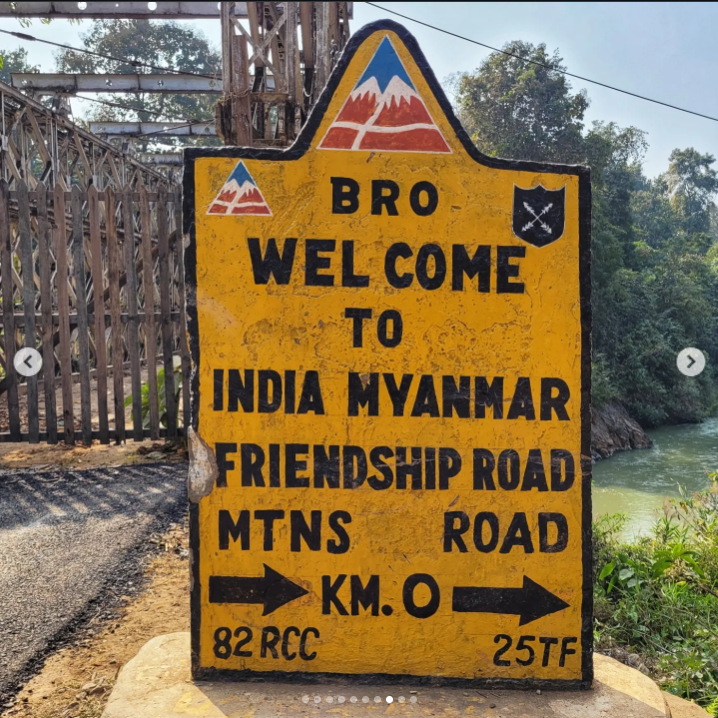
This quiet cultural phenomenon captures the defining transition from the hard, "closed-border" mentality of past conflicts to a fluid, interconnected regional reality. The physical fences and passport control booths may remain intact, but the digital and cultural boundaries have completely eroded in the minds of the local youth. By using these modern, independent spaces to bypass regional isolation, the youth of India and Myanmar are offering a progressive blueprint for regional coexistence. They stand as a resilient testament to the fact that while governments build walls to separate populations, a creative, forward-looking generation will always find a way to pull up a chair, share a melody and build a bridge.